
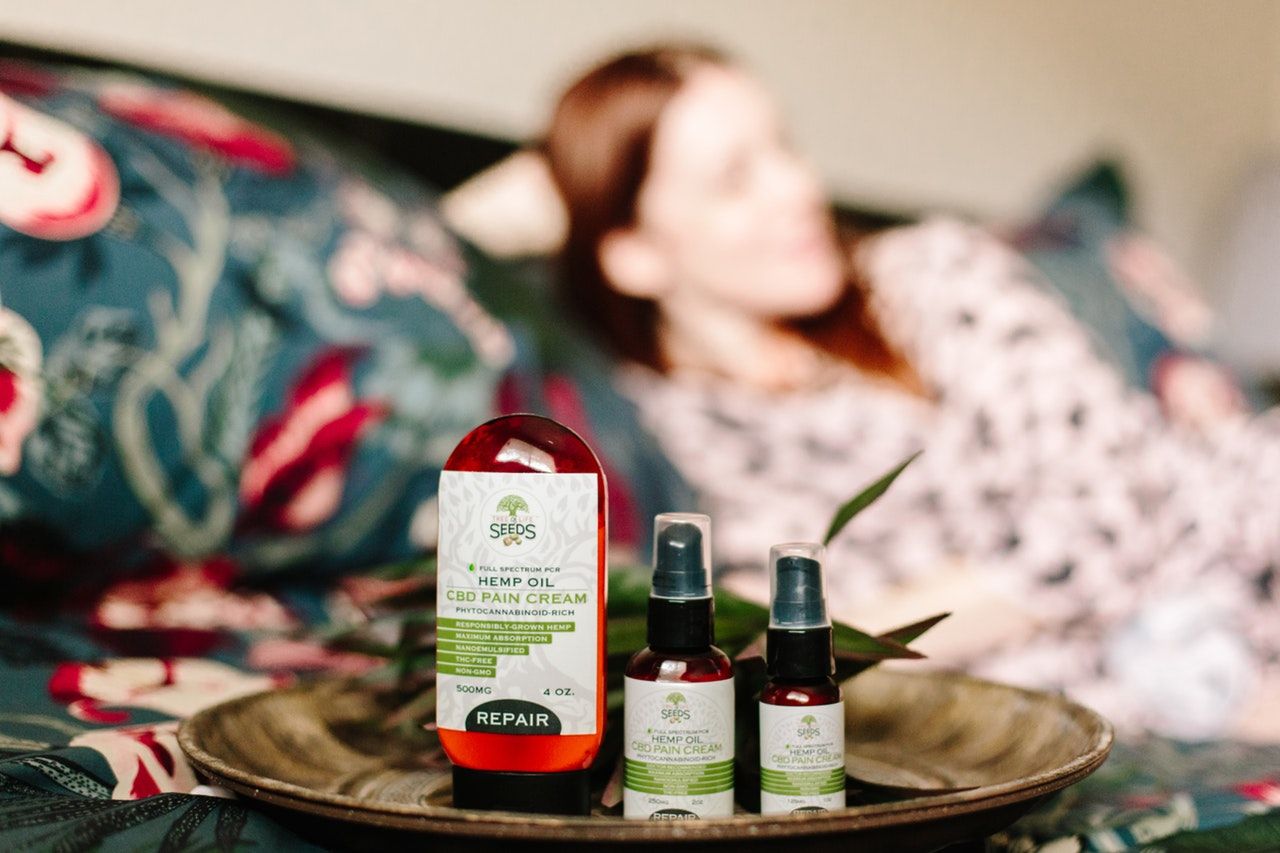
With cannabis continuing to make its mark in skincare innovation, marijuana-infused sunscreens—often referred to as “marijuana SPF”—are attracting attention for their potential to do more than just block UV rays. These products combine traditional sun protection ingredients with cannabinoids like CBD and THC, offering an added layer of antioxidant and anti-inflammatory benefits that could help maintain skin health.
Understanding Sunscreen Basics
Sunscreens typically rely on two primary mechanisms of defense. Chemical filters such as avobenzone or octocrylene absorb ultraviolet (UV) light, converting it into harmless heat, while mineral blockers like zinc oxide and titanium dioxide reflect UV rays away from the skin. Both types help prevent sunburn, photoaging, and skin cancer by minimizing UV-induced cellular damage.
When cannabinoids enter the picture, they don’t replace these filters but complement them. The key lies in how cannabinoids interact with the body’s endocannabinoid system (ECS)—a network of receptors that helps regulate skin balance, inflammation, and repair.
Cannabinoids and Skin Defense
Research published in the Journal of Clinical Investigation and Molecules highlights how cannabinoids such as cannabidiol (CBD) and cannabigerol (CBG) act as potent antioxidants—sometimes more powerful than vitamins C and E. These compounds neutralize reactive oxygen species (ROS), the unstable molecules that form after UV exposure and contribute to oxidative stress. By reducing this stress, cannabinoids may limit collagen breakdown, pigmentation, and premature aging.
Additionally, studies in Experimental Dermatology show that cannabinoids can help modulate inflammation by suppressing cytokine production and balancing immune cell activity. This could be especially beneficial for sun-exposed skin, which often experiences redness, irritation, or post-sun inflammation.
Synergy with SPF Ingredients
When infused into sunscreen formulations, cannabinoids can create a synergistic effect. Traditional SPF agents protect the skin from direct UV radiation, while cannabinoids address secondary damage at the cellular level. This dual action may improve the skin’s resilience and reduce recovery time after prolonged sun exposure.
Moreover, hemp-derived oils naturally rich in omega-3 and omega-6 fatty acids—common carriers in marijuana SPF products—help reinforce the skin barrier and lock in moisture. This lipid support prevents dehydration and helps the sunscreen glide on smoothly, enhancing user experience without clogging pores.
The Future of Marijuana SPF
As regulations evolve and more dermatological studies validate cannabinoid efficacy, marijuana SPF is poised to become a new category of functional sun care. However, it’s important for consumers to choose lab-tested products with verified SPF ratings and ingredient transparency. Not all marijuana-infused products undergo FDA-approved sunscreen testing, so shoppers should verify claims before use.
Final Thoughts
The science behind marijuana SPF reflects a growing intersection between cannabis research and dermatological science. While cannabinoids aren’t a substitute for broad-spectrum UV protection, their antioxidant and anti-inflammatory properties make them promising allies in the fight against sun-induced skin aging. As ongoing studies expand our understanding, marijuana SPF may redefine what it means to protect and nourish the skin under the sun.